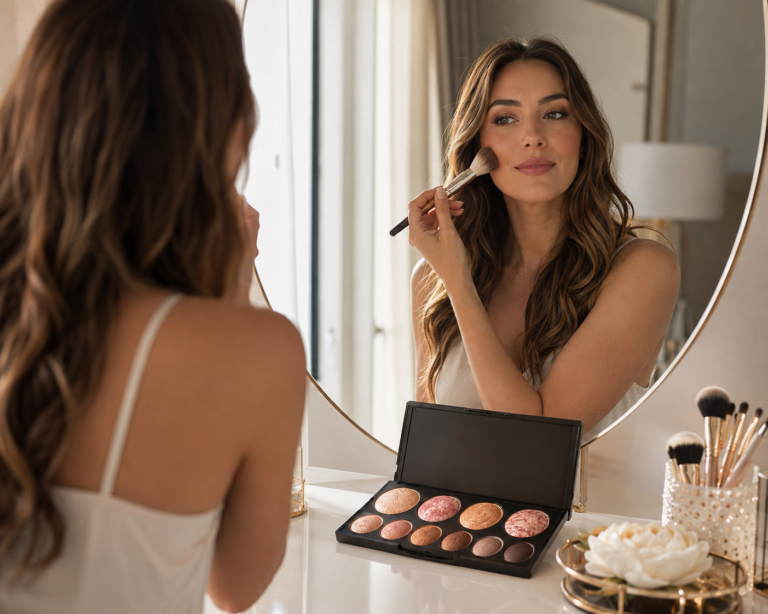

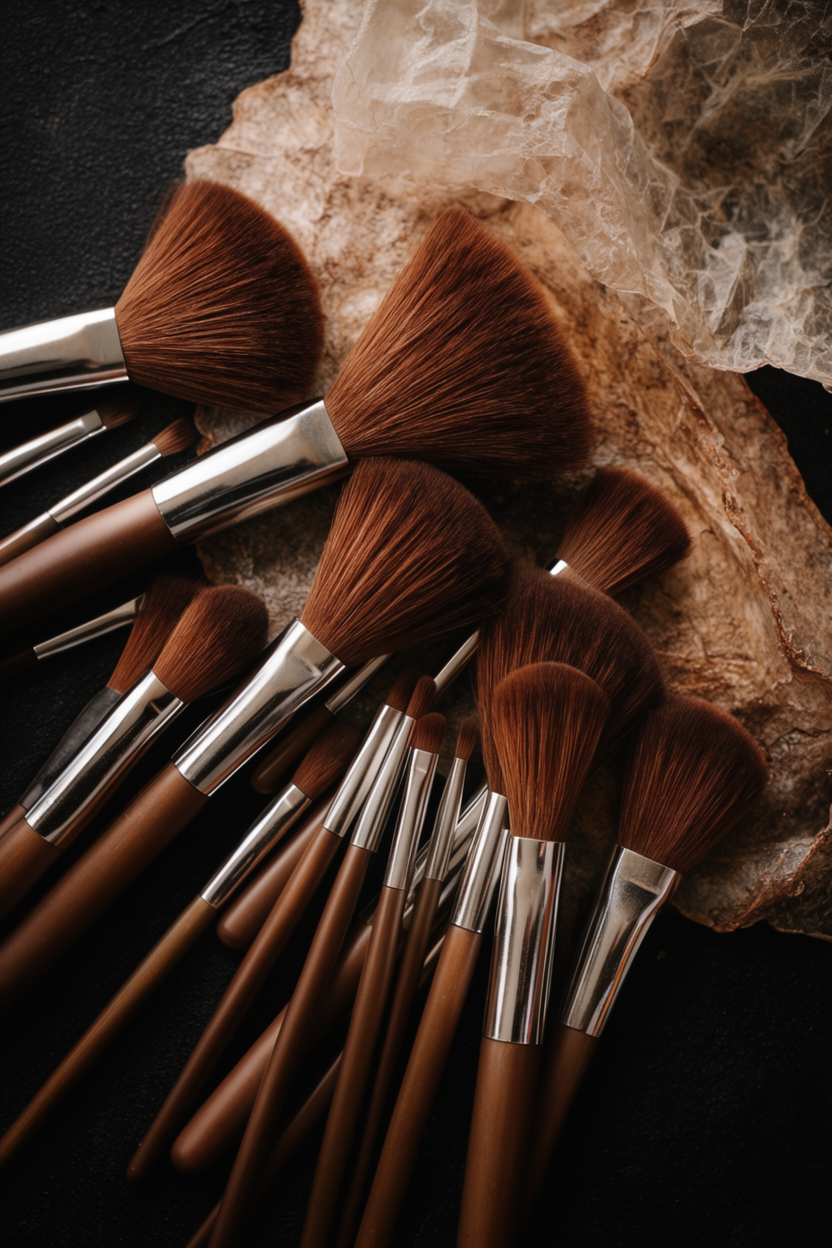
Whether you are stepping into the world of cosmetics for the very first time or you are a seasoned makeup artist working backstage at fashion weeks, one fundamental truth remains: your look is only as good as the tools you use to apply it. While high-quality formulas and pigment-rich products are essential, the vehicle delivering those formulas onto your skin dictates the final texture, blend, and longevity of your application.
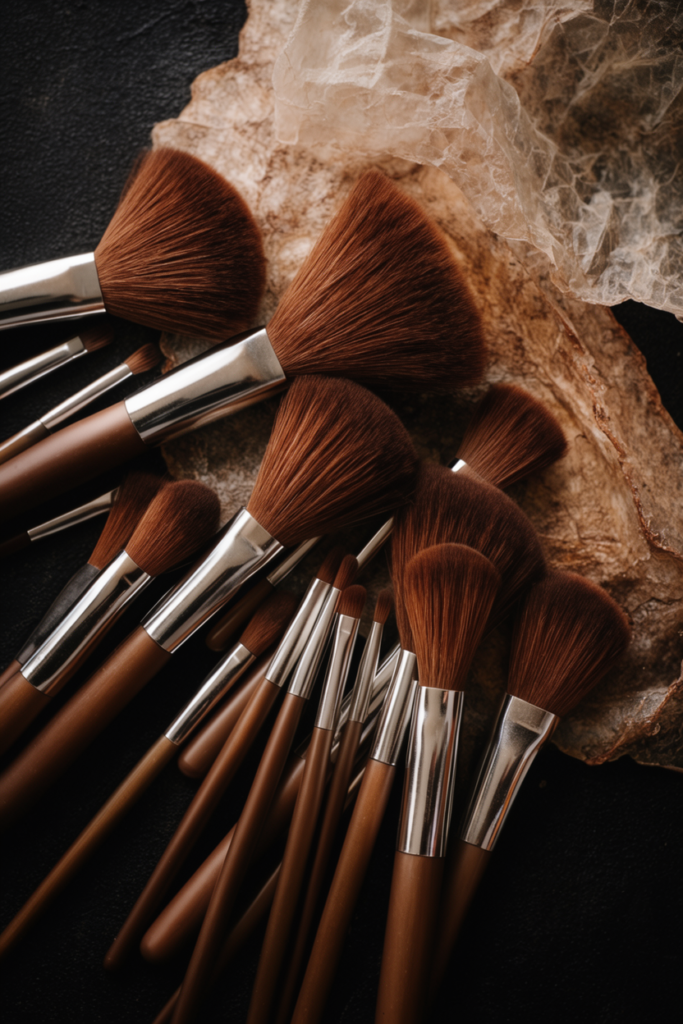
Investing in a comprehensive, high-quality makeup brush set is one of the most transformative choices you can make for your beauty routine. The right set takes the guesswork out of product application, enabling seamless blending, sharp graphic lines, and perfectly diffused complexions. In this ultimate guide, we explore the comprehensive universe of makeup application tools, deep-diving into why a curated kit is a necessity, the anatomy of various brush types, how to choose between beginner and professional makeup brushes, and how to maintain your kit for years to come.
The Benefits of Investing in a Unified Makeup Brush Set
When assembling your beauty arsenal, it is highly tempting to buy individual brushes here and there based on immediate needs. However, choosing a cohesive cosmetic brush kit offers profound practical and economic advantages that individual purchases simply cannot match:
- Cost Efficiency: Purchasing brushes bundled together within a set almost always yields a lower per-brush cost than buying each tool individually. Manufacturers pass bundle savings down to consumers, making a full set an incredibly economical investment.
- Design Consistency: A unified set features identical handle weights, balances, ferrule construction, and synthetic or natural hair types. This structural consistency ensures that your hand adapts naturally to the physics of each tool, resulting in predictable, reliable application strokes.
- Comprehensive Versatility: Curated kits are systematically engineered to eliminate gaps in your application process. A well-designed set guarantees that you have a dedicated tool for every layer of your look—from structural liquid foundation and targeted concealer to micro-detailed eyeshadow and ambient setting powders.
- Portability and Organization: Most high-quality sets are sold alongside custom-designed storage options, such as roll-up brush wraps, hard-shell travel cylinders, or magnetic standing cases. This keeps your tools protected from airborne contaminants, prevents bristle warping during travel, and organizes your vanity space beautifully.
Decoding the Kit: Different Types of Makeup Brushes and Their Uses
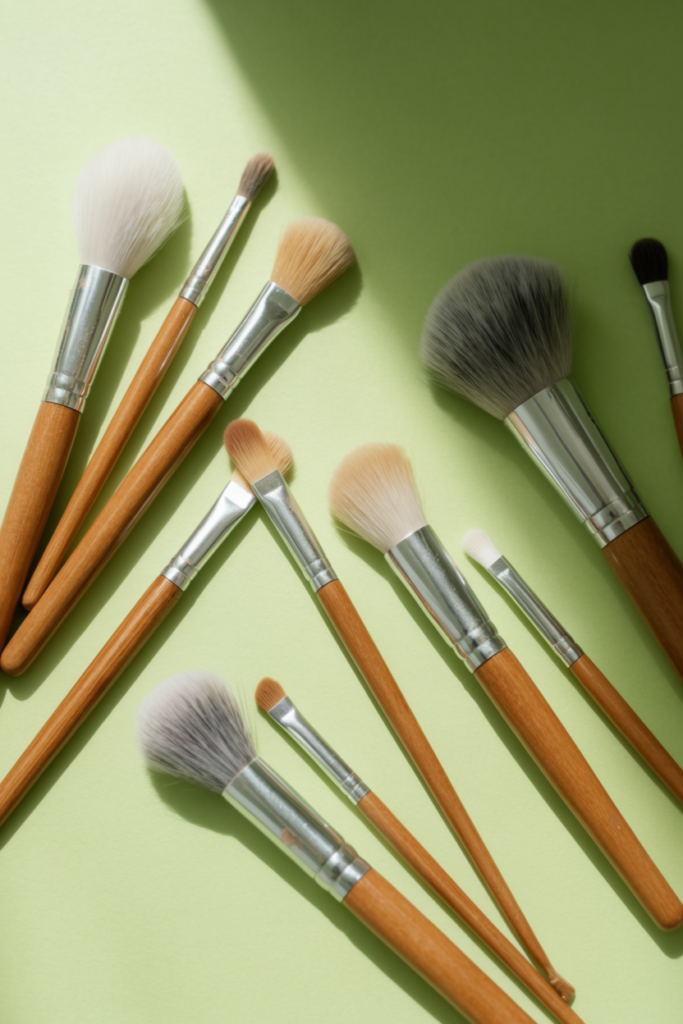
To maximize the utility of your makeup brush set, it is vital to understand the structural design and intended function of each tool. The standard collection can be broadly categorized into complexion tools and eye/detail tools.
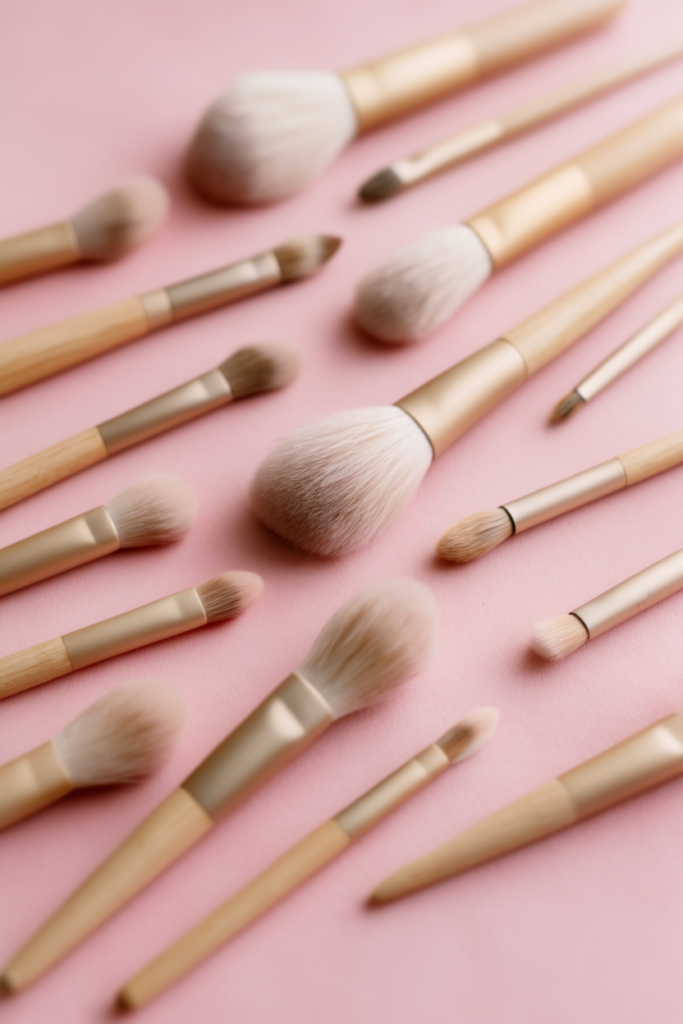
Complexion Brushes
1. The Foundation Brush The anchor of any base application. A high-quality foundation brush generally falls into two design camps: flat paddle brushes or dense buffing brushes. Flat paddle models are ideal for painting on fluid, full-coverage products, whereas rounded, densely packed buffing brushes work in circular motions to airbrush liquid and cream products directly into the skin for a seamless, skin-like finish.
2. The Powder Brush Characterized by its large, sweeping dome shape and fluffy density, a classic powder brush is designed to pick up just the right amount of loose or pressed setting powder. It distributes product lightly and uniformly across the face without disturbing underlying cream layers, controlling shine while preserving natural radiance.
3. The Concealer Brush A miniaturized version of the foundation tool, often tapered or slightly angled. This brush allows for precise placement of corrective pigments into tight crevices, such as the inner corners of the eyes, around the nostrils, and directly over blemishes.
4. The Contour and Blush Brush Frequently sculpted with an angled or tapered silhouette, these brushes fit perfectly into the hollows of the cheeks, along the jawline, and over the apples of the cheeks. The angled contour brush facilitates structured, geometric shading, while a softer, fluffier blush brush diffuses rich pigments seamlessly into the skin.
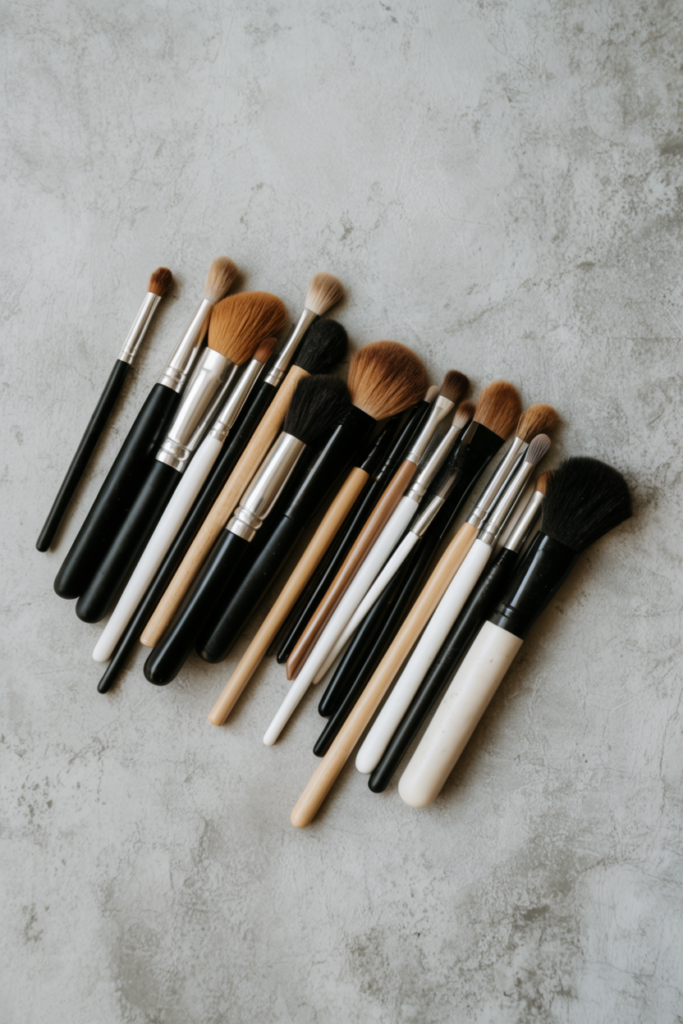
Eye and Detail Brushes
1. The Blending Brush The ultimate secret weapon for any eye look. A long, fluffy, tapered blending brush is vital for softening harsh lines, transitioning colors seamlessly through the crease, and creating subtle gradients. Without a premium blending tool, achieving a professional smoky eye or an understated daytime wash of color is nearly impossible.
2. The Flat Eyeshadow Brush Dense, firm, and flat, this tool is engineered to pack shimmers, glitters, and highly pigmented matte shadows directly onto the eyelid via patting motions, minimizing product fallout under the eyes.
3. The Angled Eyeliner/Brow Brush A razor-thin, firm, sharply angled brush that allows for unparalleled precision. It can be used to sketch out winged gel eyeliner or to deposit fine, hair-like strokes of brow pomade or powder into sparse areas of the eyebrows.
Pro Tip on Bristle Selection: As a rule of thumb, use synthetic bristles for liquid and cream formulas (foundations, concealers, liquid blushes) because they do not absorb moisture. Reserve natural bristles (or advanced synthetic mimics) for powder formulations, as their microscopic cuticles are unparalleled at picking up and diffusing dry pigments.
How to Choose the Right Makeup Brush Set: Beginners vs. Professionals
Not all brush kits are created equal. The optimal choice depends directly on your current skill level, budget constraints, and intended usage frequency. Below is a comparative breakdown to guide your purchasing decision:
| Feature Category | Beginner Requirements | Professional Requirements |
| Brush Count | 5 to 8 multi-functional, essential tools. | 12 to 30+ highly specialized tools. |
| Bristle Composition | 100% premium synthetic (durable, easy to wash). | A mix of natural hairs and luxury synthetic fibers. |
| Handle & Ferrule | Lightweight wood or molded acrylic. | Heavy, balanced solid wood; double-crimped copper/brass. |
| Investment Scale | Budget-conscious ($20 – $60 per set). | Investment-grade ($150 – $400+ per set). |
| Primary Focus | Versatility, intuitive ergonomics, easy maintenance. | Extreme precision, structural longevity under heavy sanitization. |
The Ideal Beginner Toolkit
If you are newly curating a collection, avoid massive 32-piece sets. Large, overly complex kits often overwhelm beginners, leading to decision fatigue and leaving half the collection completely unused. Focus instead on a streamlined, 5-to-8-piece cosmetic brush kit that prioritizes multi-functional tools. Look for a kit containing a dual-purpose powder/bronzer brush, a dependable buffing foundation brush, a versatile concealer brush, a fluffy eye blending brush, and an angled brow tool. Synthetic bristles are highly recommended for beginners due to their structural resilience and low-maintenance cleaning profile.
The Professional Standard
For working makeup artists or advanced cosmetic enthusiasts, a high-tier collection of professional makeup brushes is non-negotiable. Professional sets must withstand aggressive, medical-grade sanitization between clients without shedding bristles or losing shape. These kits feature heavy, perfectly balanced handles crafted from seasoned hardwoods and ferrules made from double-crimped nickel, copper, or brass to prevent wobbling over time. Furthermore, a professional kit offers micro-specialized variants: rather than just one blending tool, a pro set will feature three or four distinct sizes of blending tools to accommodate diverse eye shapes and intricate cut-crease techniques.
Cleaning and Maintenance: Preserving Your Investment
Even the most expensive, ultra-premium makeup brush set will degrade rapidly, shed fibers, and perform poorly if it is not routinely cleaned and maintained. Beyond preserving the physical integrity of your tools, regular washing is a critical matter of dermatological health.
Dirty brushes act as structural breeding grounds for dead skin cells, sebum, residual cosmetic oils, and airborne bacteria. Reintroducing these contaminants to your face daily can clog pores, trigger acne breakouts, and cause oxidative stress to the skin barrier. Follow this professional cleaning protocol to keep your tools pristine:
- The Wetting Phase: Hold your brushes with the bristles pointing downwards under lukewarm running water. Crucial Warning: Never submerge the entire brush or allow water to flow directly into the ferrule (the metal band securing the bristles to the handle). Water trapped inside the ferrule dissolves the underlying industrial glue, leading to permanent bristle shedding and handle rotting.
- Cleanser Application: Dispense a small amount of a dedicated, conditioning brush cleanser or a gentle, sulfate-free baby shampoo onto a textured silicone cleaning mat or directly into the palm of your hand.
- Swirling Action: Gently swirl the damp bristles into the soap in circular patterns, working up a rich lather. Watch as old cosmetic pigments dissolve and rinse away. Continue until the lather remains pristine white.
- The Thorough Rinse: Flush the bristles thoroughly under running, lukewarm water, keeping the brush head pointing downward at all times until the water runs completely clear of soap residue.
- Reshaping and Squeezing: Gently compress the wet bristles with a clean, dry microfiber towel to extract excess moisture. Use your fingers to manually stroke the brush head back into its original, crisp shape.
- The Drying Stage: Lay your brushes completely flat on a clean towel overhanging the edge of a counter, or suspend them upside down using a dedicated acrylic brush-drying rack. Never dry your brushes standing upright in a cup; gravity will pull residual moisture straight into the ferrule, ruining the adhesive core.
Recommended Cleaning Frequency Calendar
- Liquid/Cream Brushes (Foundation & Concealer): Wash every 1 to 2 uses to prevent product buildup and bacterial proliferation.
- Powder Brushes (Blush, Bronzer, Setting Powder): Wash thoroughly once a week.
- Eye Detail Brushes: Wash every 3 to 5 days, or utilize a quick-drying sanitizing spray between color changes.
Common Mistakes to Avoid When Using Makeup Brushes
Maximizing your performance with high-quality makeup application tools requires unlearning several common bad habits. Avoid these critical mistakes to elevate your results and extend the lifespan of your collection:
- Applying Excessive Pressure: Many users mistakenly believe that pressing a brush firmly against the face yields better pigment payoff. In reality, heavy pressure splays out the bristles, ruining the engineered shape of the brush and creating patchy, uneven streaks. Let the tips of the bristles do the work; use light, air-light pressure for a flawless blend.
- Using the Wrong Brush for the Formula: Attempting to apply a dense, thick cream contour with a super-fluffy, natural-hair powder brush will result in a muddy, blotchy application and can permanently warp or stain delicate natural bristles. Always pair formula viscosity with the appropriate bristle density and material.
- Neglecting the Handles and Ferrules: While cleaning the bristles is standard practice, many forget to sanitize the handles and metal ferrules. These areas accumulate oils from your hands and product residue from your makeup bag. Wipe them down regularly with an alcohol-infused sanitizing wipe to maintain complete hygiene.
- Improper Storage: Jamming damp or dry brushes carelessly into an overcrowded makeup bag bends the delicate outer bristles permanently out of alignment. Store your tools in upright cups with plenty of breathing room, or secure them neatly inside an organized brush roll.
Frequently Asked Questions (FAQs)
Q1: How often should I completely replace my makeup brush set? A: With flawless maintenance and gentle washing, a premium set can easily endure anywhere from 5 to 10 years. You only need to replace a brush when it sheds情 persistently, loses its original shape permanently, or if the ferrule detaches completely from the handle.
Q2: Are synthetic makeup brushes better than natural hair brushes? A: Neither is objectively superior; they serve fundamentally different purposes. Synthetic brushes, crafted from advanced nylon or polyester, excel with liquids and creams because they are non-porous and highly durable. Natural hair brushes (such as goat or squirrel) possess a microscopic cuticle structure that picks up and diffuses powder products with unmatched subtlety. However, modern luxury synthetic fibers are increasingly mimicking natural hair performance, offering excellent vegan alternatives.
Q3: Can I use a beauty sponge instead of a makeup brush set? A: Damp beauty sponges are wonderful for delivering a sheer, intensely hydrated, dewy base. However, they lack the structural precision required for detailed eye looks, sharp winged eyeliner, structured contouring, and targeted powder placement. A comprehensive brush set remains irreplaceable for structural, long-lasting cosmetic artistry.
Q4: Why is my foundation brush leaving noticeable streaks on my face? A: Streaking usually occurs for two reasons: either the brush has accumulated too much dried product inside its core and needs a thorough wash, or you are applying too much product at once. Apply your foundation in thin, incremental layers, and finish your application with light, downward buffing motions to smooth out any lines.
Conclusion: Elevate Your Beauty Routine Today
Selecting the perfect makeup brush set is a profound investment in your personal grooming, creative expression, and self-care routine. By transitioning away from sub-par, sporadic tools and embracing a well-crafted, intentionally designed kit, you unlock the true potential of your favorite cosmetic formulations. A curated set transforms product application from a frustrating, uneven chore into an effortless, therapeutic, and airbrushed ritual.
For beginners, starting small with a high-quality, synthetic 5-to-8-piece set will establish excellent habits and build fundamental blending skills. For seasoned professionals, prioritizing robust handles, secure ferrules, and premium fiber blends ensures that your tools perform flawlessly under the rigorous demands of clients and daily sanitization. Take the time to evaluate your specific needs, respect your tools through a consistent cleaning regimen, and enjoy the radiant, professional results that only the right brushes can deliver.